Why Privacy Matters in Productivity Apps
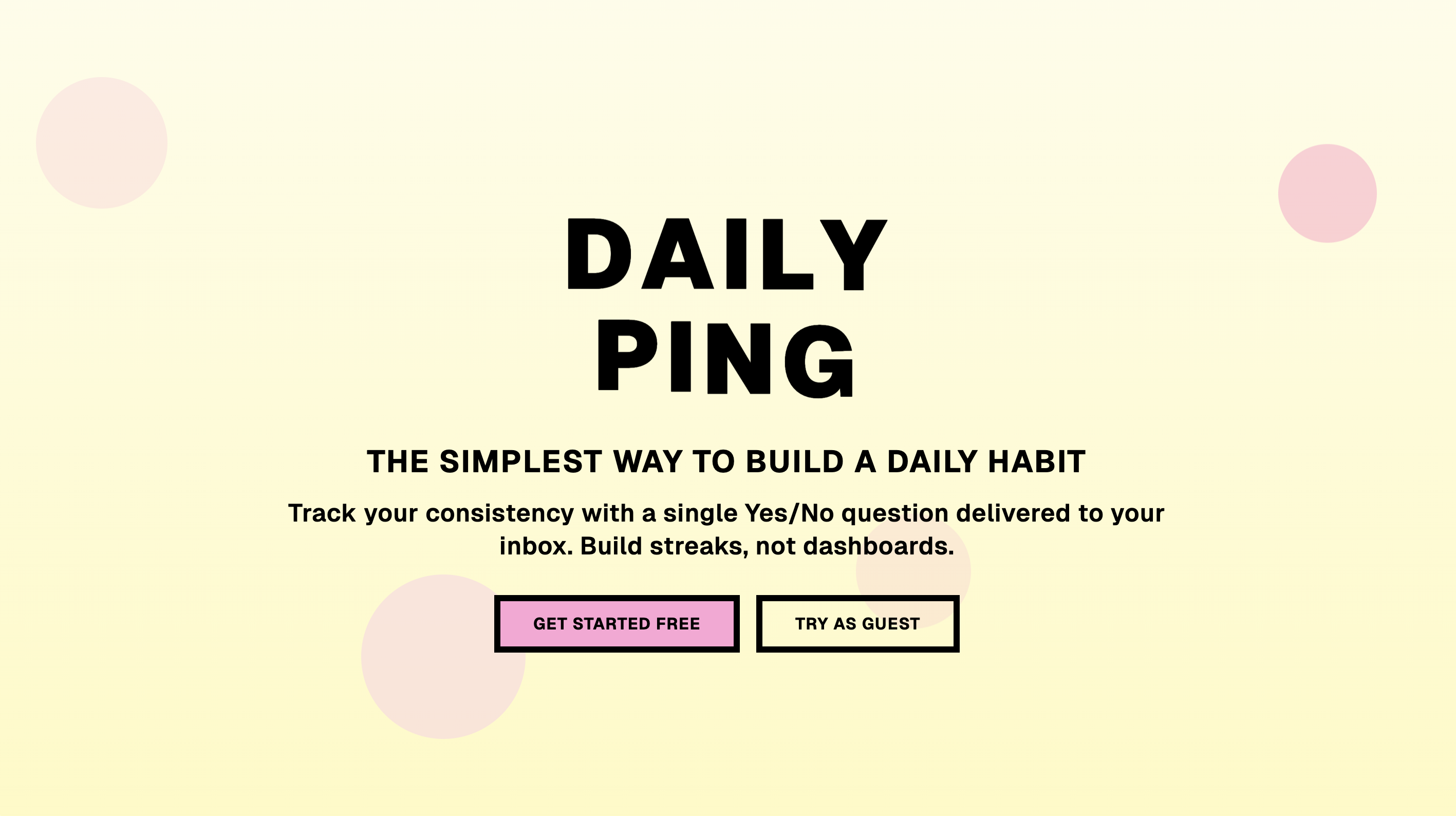
You're trying to build better habits. You download a habit tracker, answer some questions about your goals, and start logging your progress. Simple, right?
What you might not realise is that every interaction reveals something intimate about your life. Your habit data isn't just productivity metrics, it's a window into your health, your routines, your struggles, and your personal growth.
Here's why privacy should be non-negotiable when choosing productivity tools.
The Personal Information in Your Habits
Let's be clear about what habit tracking data actually contains:
- Health patterns - When you track exercise, sleep, or diet
- Mental health indicators - Consistent failures might signal depression or burnout
- Financial behaviour - Spending habits, saving goals
- Relationship patterns - Social habits, communication frequency
- Work-life boundaries - When you're active, how you manage time
- Personal vulnerabilities - The habits you struggle with most
This isn't just metadata. This is deeply personal information that could be used to:
- Build psychological profiles
- Target you with manipulative advertising
- Identify health conditions
- Understand your weaknesses
- Predict your behaviour
The Data Economy You Didn't Sign Up For
Most productivity apps operate on a simple business model: you're the product.
They offer "free" services in exchange for your data, which they then:
- Sell to third-party data brokers
- Use to train AI models
- Share with advertisers
- Store in databases vulnerable to breaches
- Analyse for behavioural insights
When you use a free habit tracker, you're not just tracking habits; you're feeding a data economy that profits from your personal information.
The True Cost of "Free" Apps
Here's what "free" really means:
- Data collection - Every interaction is logged, analysed, and stored
- Third-party sharing - Your data is shared with analytics companies, advertisers, and data brokers
- Limited control - You can't delete your data, export it easily, or know where it goes
- Security risks - Data breaches expose your personal information
- Psychological profiling - Companies build detailed profiles of your behaviour
The real cost isn't monetary. It's your privacy, security, and autonomy.
Why Privacy-Focused Tools Exist
Privacy-focused productivity apps like DailyPing take a different approach:
Minimal Data Collection
They only collect what's necessary. For a habit tracker, that might be:
- A simple yes/no answer
- The date
- Nothing else
When you don't sign up or accept cookies: no email is required, no social login, no analytics tracking, and no behavioural profiling.
Local-First Architecture
If you don't want to sign up, your data stays on your device or is encrypted end-to-end. Meaning the company can't read it, sell it, or share it because they don't have access. If you choose to sign up, only the necessary data needed for your account is saved.
Transparency
You know exactly what data is collected, how it's used, and who has access. No hidden terms, no data sharing, no surprises.
User Control
You can export your data, delete your account, and control every aspect of your information.
Real-World Privacy Failures
Let's look at what happens when productivity apps fail on privacy:
Case Study: Fitness Tracker Exposes Military Bases
In 2018, Strava's heatmap revealed the locations and routines of military personnel at secret bases. A "simple" fitness tracker exposed national security secrets because location data was shared publicly.
Case Study: Mental Health App Sells User Data
Popular mental health apps have been caught selling user data to third parties. The most sensitive information, depression tracking, therapy notes, medication logs, were monetised.
Case Study: Habit Tracker Data Breach
When a major habit tracking app suffered a data breach, millions of users had their:
- Email addresses leaked
- Habit patterns exposed
- Personal goals revealed
- Streak data compromised
These aren't hypothetical risks, they're real consequences of trusting apps with your data.
The Psychology of Privacy in Productivity
Privacy isn't just about security. It's about psychological safety.
When you know your data is private, you're more likely to:
- Be honest about your struggles
- Track sensitive habits (mental health, personal growth)
- Take risks in self-improvement
- Trust the tool long-term
Privacy creates space for genuine self-reflection without fear of judgement, exploitation, or exposure.
What Makes a Privacy-Focused Productivity App
When evaluating productivity tools, look for:
1. End-to-End Encryption
Your data should be encrypted so even the company can't read it.
2. Minimal Data Collection
Only essential data should be collected. If they're asking for unnecessary information, be suspicious.
3. No Third-Party Sharing
Check their privacy policy. If they share data with "partners" or "affiliates," that's a red flag.
4. Open Source (Optional but Preferred)
Open-source apps allow security researchers to audit the code, ensuring there are no backdoors.
5. Self-Hosted Options
The ability to self-host gives you complete control over your data.
6. Transparent Privacy Policy
A clear, readable privacy policy that explains exactly what happens to your data.
7. Data Export/Deletion
You should be able to export or delete your data at any time.
DailyPing: A Case Study in Privacy-First Design
Apps like DailyPing demonstrate that privacy doesn't require sacrificing functionality. Here's how they approach it:
- No account required - Use the app without creating an account
- Minimal data - Only stores your daily answers, nothing more
- Local storage - Data stays on your device
- No tracking - No analytics, no ads, no behavioural profiling
- Encrypted sync - If sync is needed, it's end-to-end encrypted
- Transparent - Clear privacy policy, open about data practices
This proves that privacy and productivity aren't mutually exclusive. You can have powerful tools that respect your data.
The Regulatory Landscape
Privacy regulations like GDPR and CCPA are starting to protect users, but they're reactive, responding to problems rather than preventing them. You shouldn't rely on regulations to protect you. Choose privacy-first tools from the start.
Building a Privacy-Conscious Productivity Stack
Here's how to build a productivity system that respects your privacy:
- Audit your current tools - Check what data they collect and how they use it
- Prioritize privacy-first alternatives - Look for tools built with privacy as a core feature
- Read privacy policies - Actually read them. If they're incomprehensible, that's intentional
- Support privacy-focused developers - Vote with your wallet for tools that respect you
- Minimize data collection - Use tools that collect only what's necessary
- Regular audits - Periodically review what data you're sharing and with whom
The Future of Privacy in Productivity
As AI becomes more sophisticated, the privacy implications grow:
- Predictive profiling - Apps can predict behaviour from minimal data
- Emotional surveillance - Tracking patterns reveal mental states
- Manipulative targeting - Personal data enables psychological manipulation
- Discrimination - Habit data could be used for insurance, employment, or credit decisions
The stakes are getting higher. Now is the time to choose privacy-first tools.
Your Data, Your Choice
Ultimately, privacy is about autonomy. You should control:
- What information you share
- How it's used
- Who has access
- When it's deleted
Privacy-focused productivity apps give you that control. They recognize that your data is yours, not theirs to monetize.
Conclusion
Privacy in productivity apps isn't a nice-to-have - it's essential. Your habit data reveals intimate details about your life, and that information deserves protection.
When choosing a productivity tool, ask yourself:
- What data am I sharing?
- Who has access to it?
- How is it being used?
- What happens if there's a breach?
If you can't answer these questions confidently, you're taking unnecessary risks with your personal information.
Choose tools like DailyPing that are built with privacy as a core principle, not an afterthought. Support developers who recognize that your data belongs to you, not them.
Your productivity journey shouldn't come at the cost of your privacy. There are tools that respect both, use them.
Ready to take control of your data? Try a privacy-focused streak app that treats your information like the personal asset it is. Build better habits without sacrificing your privacy.
Oh, and one more thing. Since you're reading this, you can use code "CodeWizard" for 100% off (first 100 claims).
You can find DailyPing here.